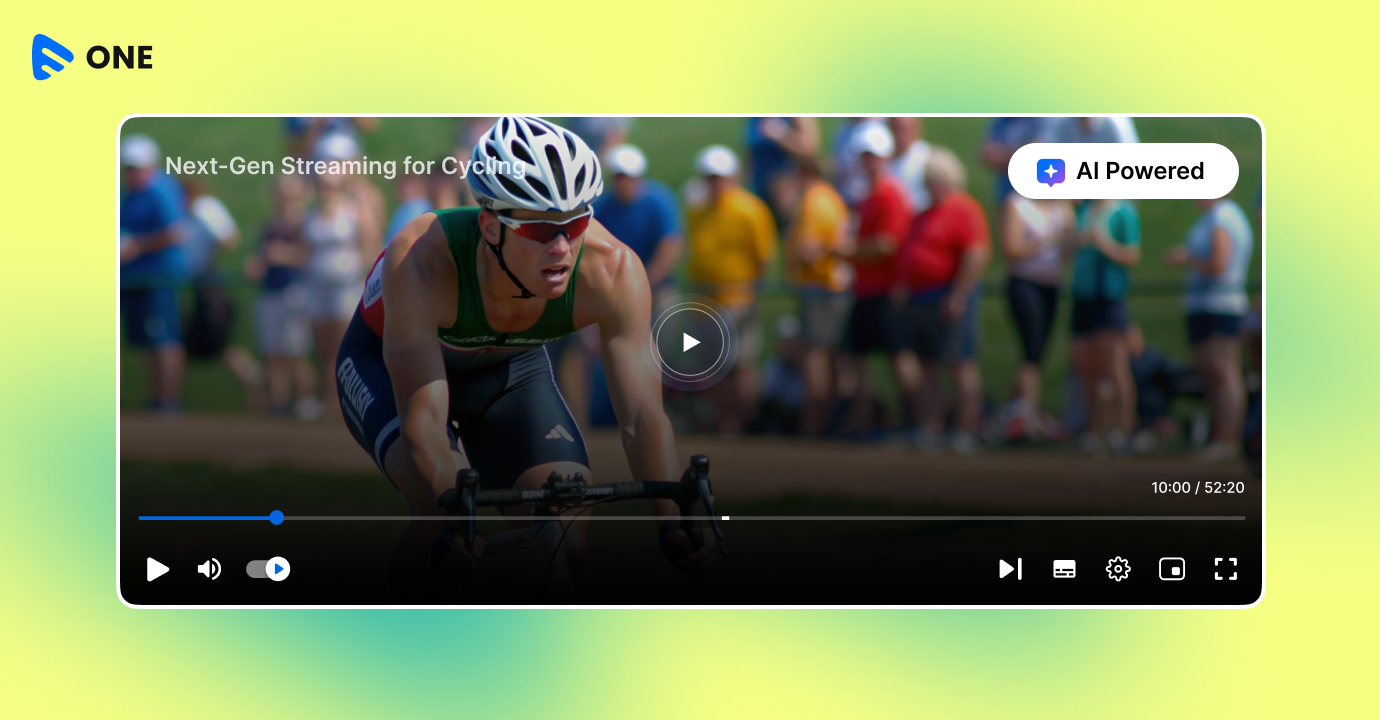
Every game, goal, wicket, touchdown, lap, and highlight creates moments that audiences want immediately. Broadcasters have spent decades investing in faster production workflows, larger production teams, advanced graphics systems, and sophisticated distribution infrastructure to meet these expectations.
A single sporting event can generate hours of live footage, thousands of social media interactions, multiple camera feeds, post-match analysis, highlights, interviews, statistics, and audience engagement opportunities. As sports consumption becomes increasingly digital, the operational complexity surrounding sports broadcasting continues to grow.
This is where artificial intelligence is beginning to reshape the industry.
The future of sports broadcasting is not about replacing commentators, producers, editors, or analysts. It is about augmenting them with intelligent systems capable of automating repetitive workflows, accelerating content creation, improving audience experiences, and unlocking new forms of engagement.
Sports Broadcasting Is Becoming a Data Problem
Historically, broadcasters focused on delivering live events to audiences.
Today, audiences expect much more.
They want:
- Real-time highlights
- Instant replays
- Personalized content
- Short-form clips
- Interactive experiences
- Match insights
- Multi-device viewing
- On-demand access
At the same time, sports organizations are producing more content than ever before.
Every match now creates an enormous volume of video, audio, metadata, statistics, and audience interactions. Managing this information manually is becoming increasingly difficult. The future challenge for broadcasters is not capturing content. It is understanding, organizing, and utilizing it effectively. AI is uniquely positioned to address this challenge.
The modern sports experience extends far beyond the live event itself. A football match is no longer just a 90-minute broadcast.
It becomes:
- Pre-match analysis
- Behind-the-scenes content
- Live commentary
- Instant highlights
- Post-match interviews
- Social media clips
- Fan engagement experiences
- Historical content archives
Sports organizations increasingly operate as year-round content businesses rather than event-based broadcasters. This shift creates enormous opportunities but also introduces operational complexity. Creating, organizing, publishing, and distributing content at scale requires more than traditional production workflows.
It requires automation.
The Future of AI-Powered Content Creation
One of the most visible applications of AI in sports broadcasting will be content creation.
Broadcasters already struggle to keep up with audience demand for short-form content across social media, mobile apps, websites, and connected TV platforms.
In the future, AI systems will automatically transform live broadcasts into multiple content formats simultaneously.
A single match could automatically generate:
- Highlight packages
- Goal compilations
- Player-specific clips
- Social media snippets
- Post-game summaries
- Promotional assets
Instead of manually reviewing hours of footage, production teams will focus on refining and distributing content generated through intelligent automation.
The result is faster publishing, greater content output, and more opportunities to engage audiences across platforms. For decades, sports broadcasts were designed around a single audience experience. AI will fundamentally change this model. Future sports platforms will increasingly deliver personalized experiences tailored to individual viewers.
Conversational Sports Experiences Are Coming
One of the most exciting developments in sports media is the emergence of conversational interfaces.
Audiences are becoming increasingly comfortable interacting with AI through natural language.
In the future, viewers may ask questions such as:
- How many goals has this player scored this season?
- Show me all the wickets from today’s match.
- Compare today’s performance to last year’s final.
- What happened before this penalty decision?
Instead of searching manually, fans will simply ask.
AI systems will retrieve relevant video clips, statistics, context, and analysis in real time. An MCP Gateway can provide a standardized way for AI agents to connect with the tools and data sources needed to retrieve this information. The result will be a far more interactive and immersive sports viewing experience. While audience-facing innovations attract attention, some of the biggest impacts of AI will occur behind the scenes.
Sports broadcasting involves numerous repetitive workflows:
- Metadata creation
- Content tagging
- Highlight identification
- Archive organization
- Clip creation
- Content moderation
- Distribution management
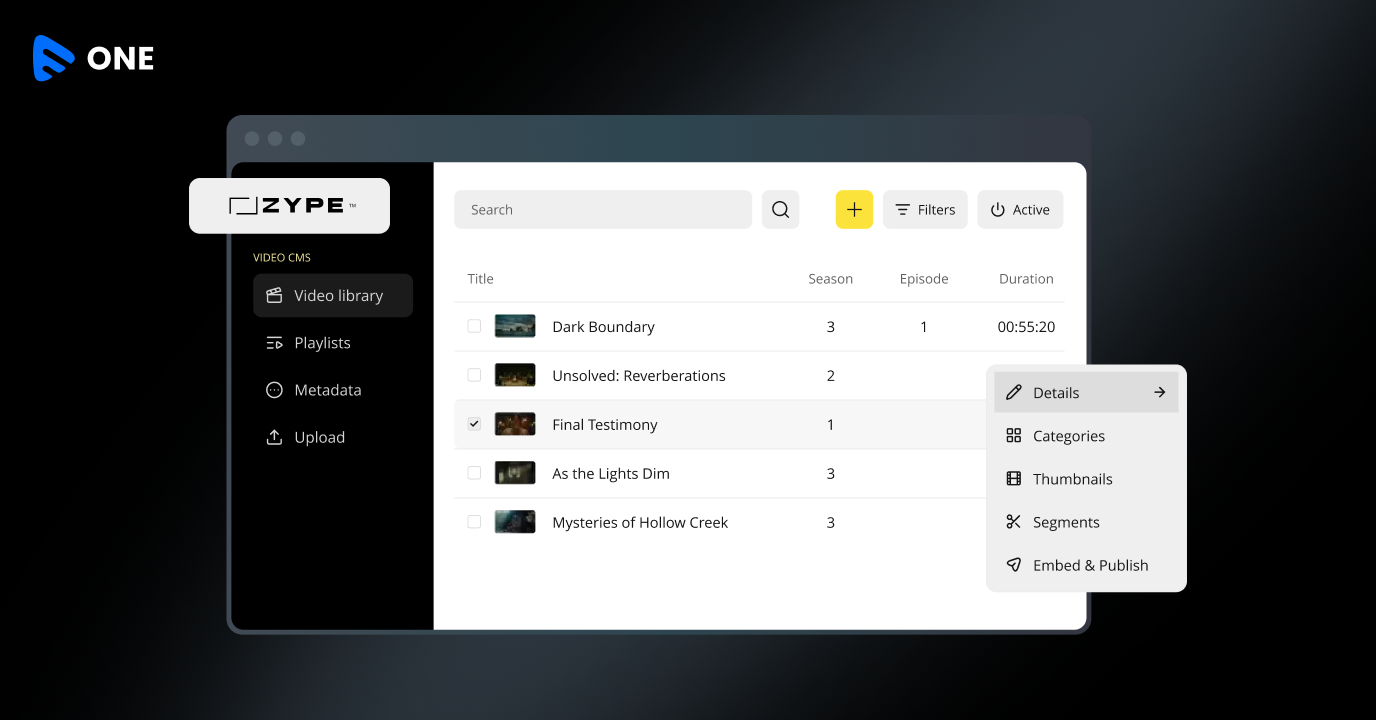
These processes consume significant operational resources. AI-powered workflow automation can reduce manual effort while increasing speed and consistency. This allows production teams to focus on creative storytelling rather than administrative tasks.
How Alie Is Preparing for the Future of Sports Broadcasting
As sports organizations increasingly look to integrate AI into their operations, the need for intelligent workflow automation is becoming more apparent.
This is where Alie, Muvi’s AI agent ecosystem, represents a glimpse into the future of sports media operations.
Rather than functioning as a single feature, Alie is being developed as an AI-powered layer that can help organizations automate content workflows, enhance audience experiences, and unlock greater value from their video assets.
Capabilities such as:
represent some of the building blocks of next-generation sports broadcasting ecosystems.
As broadcasters continue producing more content across more platforms, intelligent systems like Alie will become increasingly important in helping teams operate efficiently while delivering richer experiences to audiences. Get a free 14 day trial to learn more.
Final Comments
Sports broadcasting is entering a new era. The future will not be defined solely by better cameras, faster networks, or larger production teams. It will be defined by intelligence.
AI will help broadcasters create more content, personalize experiences, automate workflows, improve discoverability, and engage audiences in entirely new ways. Organizations that embrace these capabilities early will be better positioned to meet changing audience expectations while operating more efficiently at scale.
The future of sports broadcasting is not simply about streaming live events. It is about building intelligent content ecosystems capable of creating, organizing, distributing, and personalizing content at unprecedented scale. AI will play a central role in this transformation, helping broadcasters move beyond traditional workflows toward more dynamic, automated, and audience-centric experiences.







Add your comment