When organizations evaluate a streaming platform, they often focus on features such as content management, monetization, applications, analytics, and viewer experience. However, for enterprise customers, another factor often determines whether a platform is even considered during procurement: compliance.
Today’s enterprises operate under increasingly strict requirements around security, privacy, accessibility, and risk management. Whether you’re launching a corporate training platform, an internal communications portal, a media streaming service, or an enterprise video platform, compliance is no longer optional. Questions around vulnerability management, data security, accessibility, and governance frequently arise long before platform deployment begins.
This is why standards such as VAPT and SOC II compliance have become important benchmarks for enterprise software evaluation. In this blog, we’ll explore what these standards mean, why they matter for video platforms, and how Muvi One helps organizations meet enterprise expectations around security, trust, and accessibility.
Why Compliance Matters for Modern Streaming Platforms
Streaming platforms today manage far more than video delivery.
They often handle:
- User Authentication
- Payment Information
- Viewer Data
- Internal Communications
- Corporate Training Content
- Sensitive Business Assets
- Intellectual Property
For enterprises, this means streaming infrastructure becomes part of the broader organizational technology ecosystem. As a result, IT, security, legal, procurement, and compliance teams increasingly scrutinize video platforms using the same standards applied to other enterprise software solutions. Organizations need confidence that their platform can support security best practices, protect user data, and provide inclusive digital experiences.
Understanding VAPT
Vulnerability Assessment and Penetration Testing (VAPT) is one of the most widely recognized approaches for evaluating application and infrastructure security.
The objective is simple: identify weaknesses before attackers do.
A vulnerability assessment systematically scans systems, applications, and infrastructure for known security issues. Penetration testing then attempts to exploit those weaknesses to evaluate real-world risk exposure.
Together, these processes help organizations identify:
- Security vulnerabilities
- Misconfigurations
- Weak access controls
- Potential attack vectors
- Infrastructure weaknesses
Regular VAPT exercises help strengthen overall platform security while reducing exposure to cyber threats.
Why VAPT Matters for Streaming Businesses
Streaming platforms frequently manage sensitive information ranging from customer accounts and subscription data to proprietary content libraries and enterprise communications.
A security weakness can result in:
- Unauthorized access
- Data breaches
- Service disruptions
- Content theft
- Regulatory concerns
For enterprise customers, evidence of regular security testing often serves as a key indicator of platform maturity and operational discipline.
Understanding SOC II Compliance
SOC II is one of the most widely recognized trust and security frameworks used by modern SaaS providers and enterprise technology platforms. Developed by the American Institute of Certified Public Accountants (AICPA), SOC II provides a framework for evaluating how organizations manage customer data, security controls, operational processes, and risk management practices.
Unlike many certifications that focus on a single technology component, SOC II takes a broader view of an organization’s operational maturity. It evaluates whether the systems, policies, and procedures surrounding customer data are designed and maintained according to established trust principles.
SOC II assessments typically focus on five key trust criteria:
- Security
- Availability
- Processing Integrity
- Confidentiality
- Privacy
Together, these principles help organizations demonstrate that customer information is being protected appropriately while critical services remain reliable, secure, and available.
Why Enterprise Buyers Care About SOC II
Enterprise software procurement has become significantly more rigorous over the last decade. Before adopting a platform, organizations increasingly conduct detailed security reviews to understand how vendors manage risk, protect customer data, and maintain operational resilience.
This is particularly important for platforms that handle sensitive information, business-critical workflows, user accounts, financial transactions, or proprietary content. For enterprise video platforms, this level of trust can be especially important. Streaming platforms frequently handle customer information, payment data, internal communications, training materials, and valuable intellectual property. As a result, security and governance requirements often become key decision-making factors during procurement.
How Muvi One Supports Enterprise Security and Compliance Expectations
Enterprise customers frequently evaluate streaming platforms based on their ability to align with internal security, governance, and compliance standards. Muvi One is designed to support these requirements through a combination of security controls, infrastructure practices, accessibility support, and enterprise-grade operational capabilities.
Rather than treating compliance as a standalone feature, Muvi One incorporates security and governance considerations throughout the platform ecosystem.
- Muvi One undergoes regular Vulnerability Assessment and Penetration Testing (VAPT) exercises to help identify and remediate potential security risks proactively.
- Muvi One’s operational and security practices are designed to support enterprise trust requirements, helping organizations evaluate the platform against modern governance and security expectations commonly associated with frameworks such as SOC II.
Additional Muvi One Security Features
Multi-DRM Protection
Protect premium content through industry-standard DRM technologies that help prevent unauthorized access and content piracy.
Single Sign-On (SSO)
Support centralized authentication workflows and secure user management through enterprise identity systems.
Role-Based Access Controls
Manage permissions across teams, departments, administrators, and stakeholders while maintaining controlled access to platform resources.
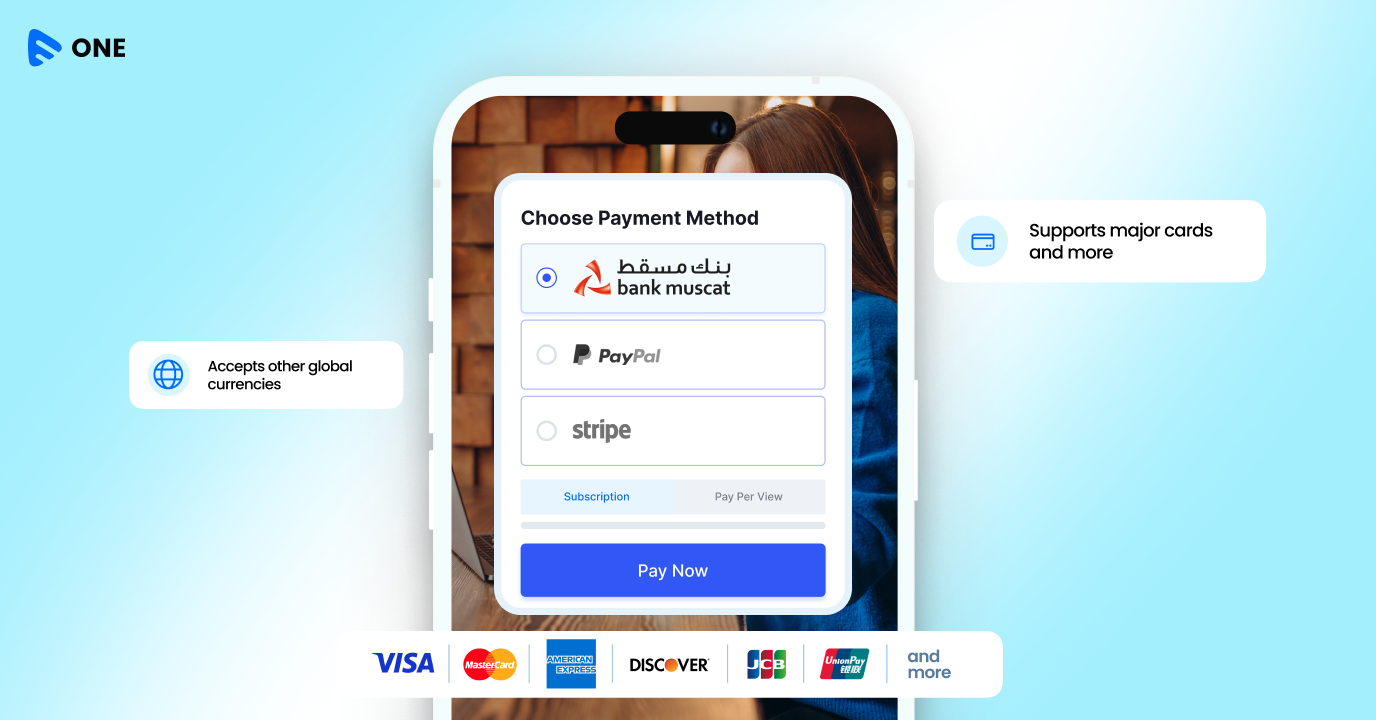
Secure Payment Infrastructure
Support monetization workflows with enterprise-grade payment security and trusted payment gateway integrations.
Geo-Blocking and Access Restrictions
Control content availability across regions while supporting licensing, compliance, and distribution requirements with geo-block deployment.
Secure Cloud Infrastructure
Leverage scalable cloud infrastructure designed to support performance, reliability, and operational security.
Final Comments
Enterprise streaming is no longer just about delivering video content. It is about delivering video securely, responsibly, and accessibly. As organizations face increasing expectations around cybersecurity, governance, privacy, and accessibility, frameworks such as VAPT and SOC II have become important benchmarks for platform evaluation.
Muvi One helps organizations meet these expectations through a combination of security practices, enterprise controls, accessibility-focused capabilities, and scalable streaming infrastructure. Talk to sales to learn more!






Add your comment