Broadcasters, production houses, news agencies, sports rights holders, stock footage companies, and content distributors are increasingly moving away from physical archives and manual licensing processes. Instead, they are building digital video libraries where media buyers can discover, preview, license, and purchase content online. A paid video library does more than store content. It acts as a revenue-generating marketplace where video assets can be organized, protected, monetized, and distributed at scale. For organizations looking to commercialize their video archives, the challenge is no longer whether to build a digital library. The challenge is how to build one that supports storage, licensing, access control, and monetization efficiently.
This guide explains everything involved in building a paid video library for media buyers, from video storage and organization to paywalls, licensing workflows, and content delivery.
What Is a Paid Video Library?
A paid video library is a centralized digital repository where users can browse, preview, and purchase access to professional video assets. Unlike traditional streaming platforms focused on entertainment consumption, media libraries are designed around content acquisition and licensing.
Typical buyers include:
- Broadcasters
- Production Companies
- Advertising Agencies
- Filmmakers
- Journalists
- Sports Networks
- Corporate Media Teams
Why Media Buyers Need Self-Service Video Libraries
Faster Content Discovery
Media professionals often work under tight deadlines. Searching through emails, spreadsheets, or manually managed archives slows acquisition workflows significantly. A searchable video library allows buyers to find content instantly using metadata, categories, tags, and filters.
Reduced Operational Overhead
Traditional licensing often requires manual communication between buyers and content owners. A digital library automates much of this process by enabling self-service discovery, purchasing, and delivery.
Global Accessibility
Media buyers increasingly operate internationally. A cloud-based video library allows content access from anywhere while maintaining licensing controls and security.
The Core Components of a Paid Video Library
Building a successful media library requires more than uploading videos to storage. Several foundational components must work together.
Video Storage Infrastructure
Every media library begins with reliable video storage.
The platform should support:
- Large File Uploads
- Scalable Cloud Storage
- Metadata Management
- High-Resolution Media
- Archive Preservation
As libraries grow, storage architecture becomes increasingly important. Organizations managing thousands of hours of footage need systems capable of scaling without performance degradation.
Video Encoding and Delivery
Uploaded content must be optimized for playback across devices and network conditions.
This requires:
- video transcoding
- adaptive bitrate streaming
- preview generation
- secure delivery
Buyers should be able to preview content instantly before making licensing decisions.
Metadata and Search
A video library is only as useful as its discoverability. Strong metadata systems allow users to search by:
- Keyword
- Category
- Location
- Subject
- Event
- Date
- Rights Information
Advanced search functionality significantly improves the buyer experience.
Paywalls for Monetization
Building a video library is only the first step. While storage and content organization make assets accessible, they do not generate revenue on their own. To monetize a media archive effectively, organizations need a mechanism that controls who can access content, under what conditions, and at what price. This is where paywalls and licensing models become essential.
A well-designed paywall does more than process payments. It creates a structured framework for monetization, allowing content owners to package, price, and distribute their video assets in ways that align with buyer needs and business objectives.
Platforms must support:
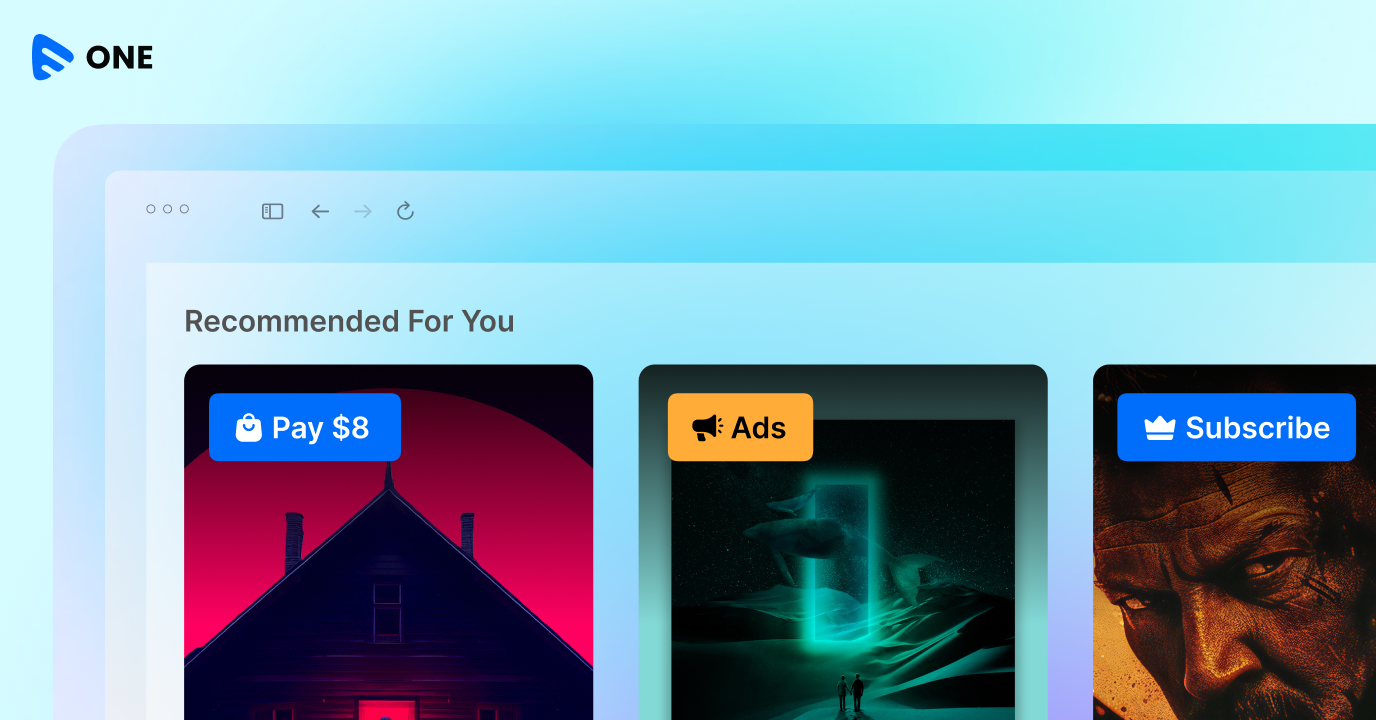
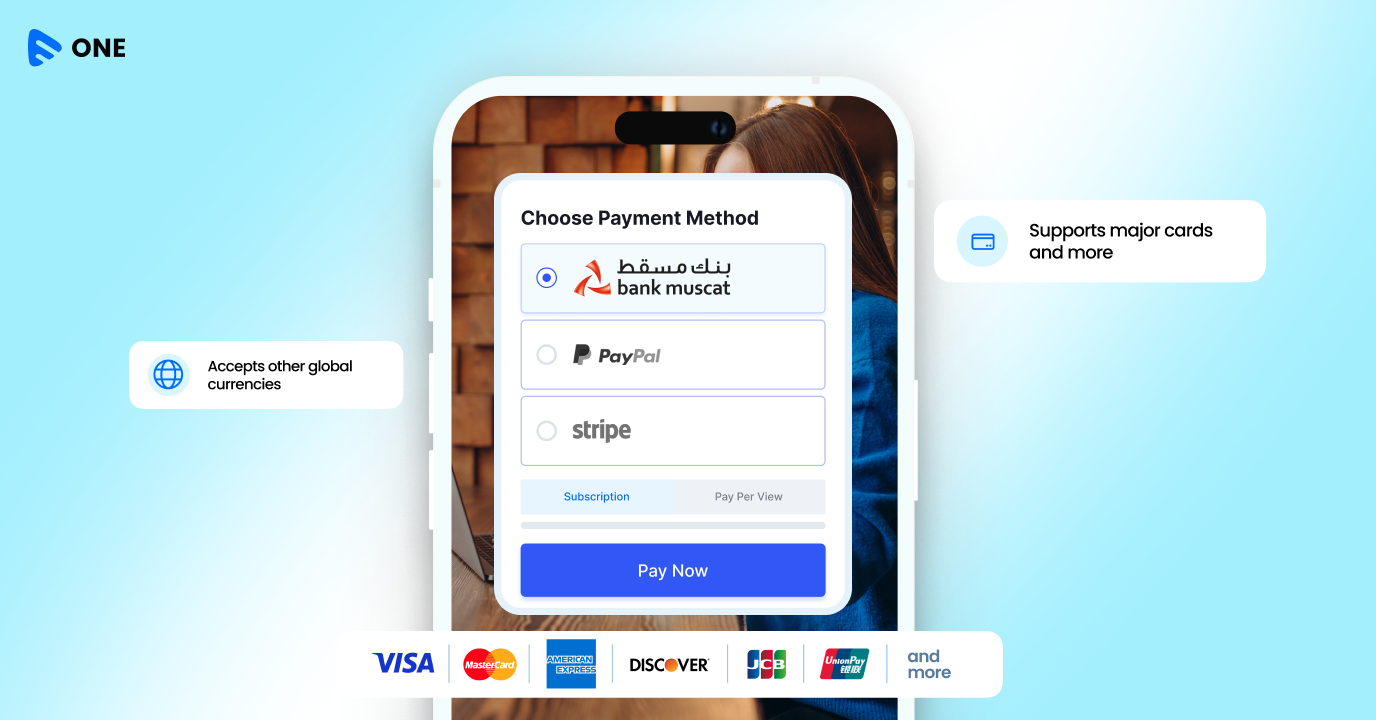
- Subscription-based Access
- Pay-per-view
- Hybrid Monetization Models
Importance of Content Licensing for Paid Video Library
A media buyer is not simply purchasing access to a video asset—they are purchasing the rights to use that content in a specific way. Without clearly defined licensing frameworks, content transactions can quickly become confusing, difficult to manage, and vulnerable to disputes.
For content owners, licensing creates a structured system for controlling how assets are distributed, consumed, and monetized. For buyers, it provides clarity regarding what they can and cannot do with the content they acquire.
Defining Usage Rights
One of the primary purposes of licensing is to establish clear usage rights before a transaction takes place.
Different buyers often require different permissions depending on how they intend to use the content. A news broadcaster may need rights for television distribution, while a corporate customer may only require internal usage rights. Similarly, a documentary producer may need global rights for multiple years, whereas a marketing agency may require limited campaign-based usage.
Protecting Intellectual Property
For many organizations, video content represents a valuable intellectual property asset that has been built over years of investment, production, and acquisition. Licensing frameworks help ensure that content remains protected while still being commercially accessible to buyers.
This becomes especially important for premium content libraries containing exclusive footage, sports rights, historical archives, or proprietary media assets where unauthorized usage can have significant financial implications.
Muvi One: Your Next Paid Video Library Management Solution
Building a professional video licensing library from scratch requires multiple technologies working together seamlessly. Organizations must manage storage infrastructure, encoding workflows, content management systems, payment gateways, user authentication, content delivery networks, and security frameworks—all while maintaining a reliable experience for buyers.
With Muvi One, organizations can launch branded video libraries without stitching together numerous third-party services. The platform provides an integrated ecosystem that combines video hosting, content management, monetization, security, and delivery into a single solution.
Features Relevant for Media Libraries
Muvi One includes many of the foundational capabilities required to operate a commercial video library. These include secure cloud video hosting, scalable storage, built-in encoding, content organization tools, flexible paywall options, analytics, user management, and multi-device delivery.
Because these capabilities are integrated into a unified platform, organizations can avoid the complexity of managing separate systems for storage, streaming, monetization, and access control.
Monetization Flexibility
Every media library serves different buyer needs, which means monetization strategies can vary significantly.
Some organizations may choose recurring subscription plans that provide access to extensive content archives. Others may prefer transactional licensing models where buyers purchase individual assets. Many businesses combine both approaches to create hybrid monetization structures that maximize revenue opportunities.
Muvi One supports these different business models, giving content owners the flexibility to design monetization workflows that align with their licensing strategy and target audience.
Enterprise-Grade Security
For organizations managing valuable media assets, security remains a top priority. Muvi One incorporates enterprise-grade security features such as DRM protection, secure streaming, access controls, and content protection mechanisms that help safeguard intellectual property throughout the licensing lifecycle.
Conclusion
A paid video library is far more than a storage solution. It is a complete content monetization ecosystem combining hosting, search, licensing, security, and revenue generation. For broadcasters, production companies, content owners, and media distributors, building a professional video library can unlock new revenue streams while simplifying content distribution.
With Muvi One, organizations can create secure, scalable, and monetizable video libraries without building complex infrastructure from scratch—allowing them to focus on growing their content business instead of managing technology. Get a free 14-day trial today.





Add your comment