Launching a subscription streaming service today is less about writing code and more about making the right strategic decisions early. The platforms that succeed are not necessarily the ones with the largest content libraries, but the ones that understand their audience, monetisation model, and distribution strategy from the start.
For creators, broadcasters, educators, and media companies looking to build a subscription video streaming platform, the challenge is not just technical—it is operational. You are not just launching a website; you are creating a business that depends on recurring revenue, consistent engagement, and reliable playback across devices.
This guide breaks down what it actually takes to build an SVOD platform from scratch, where most teams overcomplicate the process, and how to approach it with scalability in mind.
What “From Scratch” Actually Means In Ott Today
The phrase “from scratch” can be misleading in the streaming world. Building an OTT platform from the start is not easy.
Why Building Everything In-House Is Rarely Practical
Building a streaming platform from zero traditionally involves:
- video encoding pipelines
- CDN integration
- playback infrastructure
- DRM protection
- subscription billing systems
- multi-platform app development
For most businesses, this means months of development and ongoing maintenance costs. Even large OTT platforms rarely build every component internally anymore. Instead, they combine infrastructure layers or use full-stack solutions to reduce complexity.
This is why many operators explore OTT platform launch approaches that prioritize speed and operational control rather than raw engineering. Infrastructure answers how video is delivered. Platform strategy answers how your business grows.
Define Your Content And Audience Before Technology
Before selecting a streaming architecture, payment gateway, or video hosting setup, you need to define the core identity of your platform. The most important early-stage OTT decision is not technical. It is strategic.
You need clarity on:
- Who your audience is
- What type of content you will deliver
- Why viewers would consistently return
- What makes your platform different from existing options
Many streaming businesses invest heavily in infrastructure while overlooking audience positioning. Even with excellent playback quality and polished applications, platforms struggle when viewers do not see a compelling reason to subscribe.
Why Niche Positioning Outperforms Broad Catalogs
Most successful subscription platforms begin with a focused audience. Before you choose a tech stack, a CDN, or even a monetisation model, you need clarity on one thing: why should someone pay for your platform?
That answer rarely comes from technology. It comes from content positioning and audience clarity.
Most OTT platforms that struggle don’t fail because of poor streaming quality—they fail because viewers don’t see a strong enough reason to subscribe.
- regional content
- fitness training
- faith-based programming
- sports archives
- education platforms
A broad, general entertainment approach competes directly with platforms like Netflix or Prime Video. A niche platform builds loyalty faster because it solves a specific viewer’s need. This is a key factor in SVOD monetisation success—users subscribe when they perceive unique value.
The Core Components Of A Subscription Streaming Platform
Once your positioning is clear, the technical stack becomes much easier to define. At this stage, the goal isn’t to over-engineer—it’s to make sure your platform can deliver video reliably, scale with demand, and support monetisation without friction.
Most OTT teams underestimate how many moving parts sit behind a “simple” video player. In reality, a subscription platform is a combination of ingestion pipelines, encoding workflows, delivery infrastructure, playback optimisation, and device distribution.
Video Hosting, Encoding, And Delivery
Everything starts with video ingestion and storage. This includes not just storing files, but organizing content, managing metadata, and preparing assets for delivery. Poor structuring at this stage increases long-term costs.
Next comes transcoding. Raw video must be converted into multiple formats and resolutions so it can play across devices and network conditions. Efficient encoding is critical—bad decisions here lead to higher storage and delivery costs. Adaptive bitrate streaming ensures smooth playback by adjusting video quality based on internet speed. Instead of buffering, the system switches between renditions in real time, improving user experience.
Finally, delivery is handled through a video CDN, which distributes content across global servers. This reduces latency and supports scale, but also becomes a major cost factor if not optimized.
Apps And Device Distribution
Backend infrastructure enables delivery, but growth depends on access. Users expect to watch across mobile, web, and TV without friction. Launching only on the web limits reach. Mobile apps improve accessibility, while Smart TVs drive longer viewing sessions and better retention. Connected TV is now a key driver of engagement.
However, OTT app development is complex. Each platform—iOS, Android, Roku, Fire TV, Smart TVs—requires separate builds, updates, and approvals. It’s not a one-time effort but an ongoing process. Muvi One lets you launch fully functional OTT applications instantly.
Monetisation Strategy: Turning Viewers Into Subscribers
Subscription models look simple on the surface—charge a fee, provide access—but the reality is more nuanced. The difference between a platform that grows steadily and one that struggles often comes down to how well its monetisation strategy aligns with user behavior.
When you build a subscription platform, you are not just pricing content—you are shaping how users perceive value over time. The goal is not only to convert users into subscribers, but to keep them subscribed long enough for the model to become sustainable.
How Svod Pricing Models Are Structured
Most subscription platforms rely on a few standard pricing structures, but the effectiveness of each depends heavily on the nature of the content and the audience it serves.
A monthly subscription is the most common entry point because it lowers the barrier to adoption. Users can try the platform without committing long-term, which helps drive initial conversions. However, monthly models also come with higher churn risk, especially if content updates are inconsistent.
Annual plans introduce a different dynamic. By offering a discounted yearly subscription, platforms improve upfront revenue and reduce churn. Annual subscription models work particularly well for fitness streaming services and educational platforms — users are more likely to commit when they see long-term value in ongoing content.
When To Combine SVOD With Other Models
While subscription models create predictable revenue, relying on them alone does not always maximize growth. Many platforms find that combining monetisation models allows them to capture a wider audience and increase overall revenue potential.
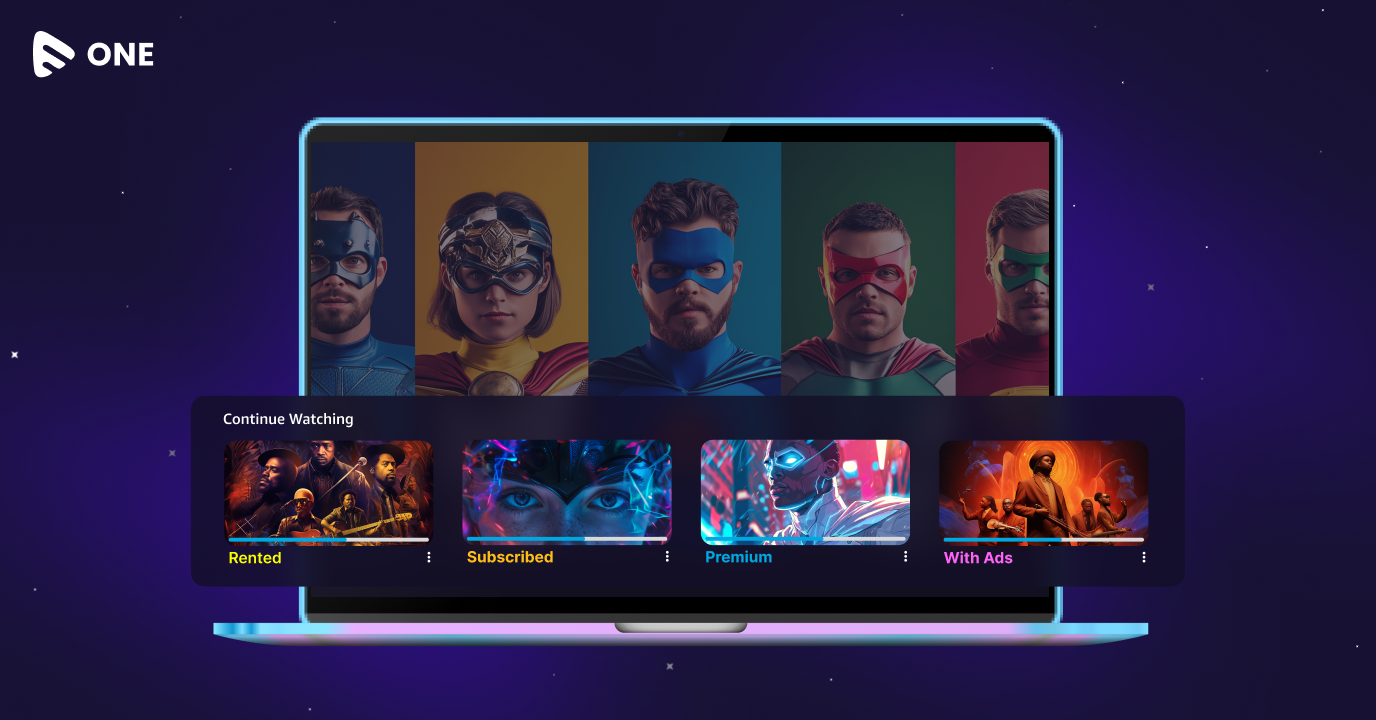
For instance, introducing an AVOD layer can bring in users who are not ready to pay immediately. A free, ad-supported tier lowers the entry barrier and helps build audience scale. Once users become familiar with the platform and its content, a portion of them can be converted into paying subscribers.
Similarly, TVOD (transactional video on demand) allows platforms to monetize premium or exclusive content separately. This is particularly useful for live events, new releases, or high-demand content that users are willing to pay for individually. Instead of bundling everything into a subscription, platforms can create additional revenue streams by charging for specific experiences.
Monetisation is not just about choosing a pricing model—it is about designing a system that aligns with user behavior, content value, and long-term growth goals. The most effective subscription platforms treat pricing as an evolving strategy, adjusting it as their audience and content offering mature.
Where Muvi One Fits In Building Your Platform
With Muvi One, you don’t need to piece together a streaming stack from multiple vendors or build backend systems from scratch. It’s designed as a full-stack OTT platform builder, which means the core components—content management, encoding, delivery, monetisation, and apps—are already integrated.
Launching Without Coding Or Infrastructure Setup
Muvi One, can help you build a subscription streaming platform without developing backend systems from scratch.
It provides:
You can explore building your subscription platform with a 14-day free trial of Muvi One — no credit card required.


Add your comment